


Ancient Egyptian Festivals Along the Nile: Echoes You Can Still Experience Today
When people think of Ancient Egypt, they often imagine towering pyramids, magnificent temples, and powerful pharaohs. Yet beyond these iconic monuments was a vibrant civilization that celebrated life through colorful festivals, religious ceremonies, music, and community gatherings. Throughout the year, the Nile Valley came alive with grand processions, sacred rituals, feasts, and celebrations dedicated to the gods, the annual flooding of the Nile, successful harvests, and the renewal of both nature and kingship.
For the ancient Egyptians, festivals were much more than religious occasions. They were opportunities to strengthen communities, honor traditions, express gratitude to the gods, and celebrate the rhythm of life that revolved around the mighty Nile River. Although more than three thousand years have passed, many of these traditions still leave their mark on modern Egypt. Travelers exploring Luxor, Aswan, and other historic destinations can still experience echoes of these remarkable celebrations through ancient temples, cultural festivals, and local traditions that continue to preserve Egypt’s extraordinary heritage.
The Nile: The Lifeblood of Every Celebration
The Nile River was the foundation of Ancient Egyptian civilization. Its annual flood transformed dry desert landscapes into fertile farmland, making agriculture possible and ensuring the survival of the kingdom. Because of this, many of Egypt’s most important festivals were closely connected to the river and its seasonal cycle.
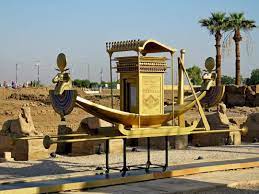
The arrival of the inundation was viewed as a divine blessing from the gods. Priests performed ceremonies along the riverbanks, families gathered to celebrate another year of abundance, and temples became the center of religious activities. Sacred boats carrying statues of the gods often sailed along the Nile during grand processions, symbolizing the close relationship between heaven, earth, and the river that sustained life.
Today, visitors can still appreciate the importance of the Nile by sailing on a traditional felucca, enjoying a sunset cruise, or watching daily life unfold along its banks. While the ancient rituals have disappeared, the river continues to shape Egyptian culture just as it did thousands of years ago.
The Opet Festival: Luxor’s Greatest Celebration
Among the most spectacular festivals of Ancient Egypt was the Opet Festival, celebrated in Thebes, now known as Luxor. Dedicated to the divine family of Amun, Mut, and Khonsu, this magnificent event reinforced both religious faith and the pharaoh’s divine authority.
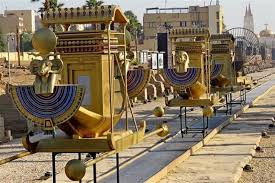
During the festival, beautifully decorated ceremonial boats carried the sacred statues of the gods from Karnak Temple to Luxor Temple. Priests, musicians, dancers, soldiers, and thousands of spectators accompanied the procession through streets filled with music, incense, and celebration. Offerings were presented to the gods while the king participated in rituals symbolizing the renewal of his power and Egypt’s prosperity.
Modern visitors can walk along the restored Avenue of Sphinxes connecting Karnak Temple and Luxor Temple, following the same ceremonial route used more than three thousand years ago. Evening sound and light shows and cultural festivals held in Luxor continue to evoke the atmosphere of this extraordinary celebration.
Wepet-Renpet: The Ancient Egyptian New Year
Unlike today’s calendar, the Ancient Egyptian New Year began with the arrival of the Nile flood, usually during late summer. This festival, known as Wepet-Renpet, meaning “Opening of the Year,” marked the beginning of a new agricultural cycle and symbolized hope, renewal, and prosperity.
Families visited temples to offer prayers and gifts, while priests performed ceremonies asking the gods for fertile fields, healthy livestock, and abundant harvests. Communities celebrated with music, dancing, food, and gatherings that strengthened social bonds across the Nile Valley.
Although the ancient ceremonies no longer exist, the Nile’s importance remains deeply rooted in Egyptian life. Travelers visiting Upper Egypt during the late summer months can still witness the river’s influence on agriculture and local traditions, offering a glimpse into the seasonal rhythms that shaped one of history’s greatest civilizations.
The Beautiful Festival of the Valley
One of Ancient Egypt’s most touching celebrations was the Beautiful Festival of the Valley. Unlike many festivals dedicated solely to the gods, this event focused on honoring ancestors and remembering loved ones who had passed away.
Each year, sacred processions crossed the Nile from the eastern temples to the royal necropolis on the West Bank of Thebes. Families visited tombs, presented flowers and offerings, shared meals together, and celebrated the continuing connection between the living and the dead. Rather than mourning, the festival expressed gratitude, remembrance, and hope for eternal life.
Today, visitors exploring the Valley of the Kings, the Valley of the Queens, and the Temple of Hatshepsut often learn about these traditions from Egyptologist guides. The peaceful atmosphere of the Theban Necropolis still reflects the spiritual significance these sacred landscapes held for the ancient Egyptians.
Ancient Festivals That Still Inspire Modern Egypt
While the original religious rituals gradually disappeared with changing beliefs and civilizations, many aspects of Egypt’s festive spirit continue to survive in modern culture.
One of the most remarkable examples is the Abu Simbel Sun Festival, held every year on 22 February and 22 October. On these dates, the rising sun enters the Great Temple of Ramses II, illuminating the sanctuary exactly as it was designed over three thousand years ago. Thousands of visitors gather before dawn to witness this extraordinary astronomical event, which demonstrates the incredible architectural and scientific knowledge of Ancient Egypt.
In southern Egypt, Nubian communities preserve vibrant traditions through music, dancing, storytelling, colorful clothing, and generous hospitality. Visiting a Nubian village near Aswan offers travelers the opportunity to experience celebrations that reflect the same sense of community and joy that characterized many ancient festivals.
Throughout Egypt, local cultural festivals, heritage events, and traditional celebrations continue to unite communities, proving that the country’s love of gathering, storytelling, music, and hospitality remains as strong today as it was in antiquity.
Experiencing Egypt Beyond the Monuments
For many travelers, Egypt is defined by its temples, pyramids, and archaeological sites. Yet understanding the country’s festivals reveals another side of Ancient Egyptian civilization—one filled with music, celebration, family, and shared traditions.
Walking through Karnak Temple, sailing along the Nile at sunset, visiting Abu Simbel during the solar alignment, or spending an evening in a Nubian village allows visitors to experience more than history. These moments connect travelers with living traditions that continue to celebrate the spirit of the Nile and the remarkable civilization that flourished on its banks.
Ancient Egyptian festivals remind us that Egypt was not only a land of monumental architecture but also a society that celebrated life with remarkable enthusiasm, creativity, and devotion. Thousands of years later, their legacy continues to inspire visitors from around the world, making every journey along the Nile an opportunity to step into a story that has never truly ended.